Why 30% Credit Utilization Costs You 200 Basis Points
Learn how a tiny shift in your revolving balances can shave hundreds off loan interest. Most guides skim utilization, letting you overpay for years.
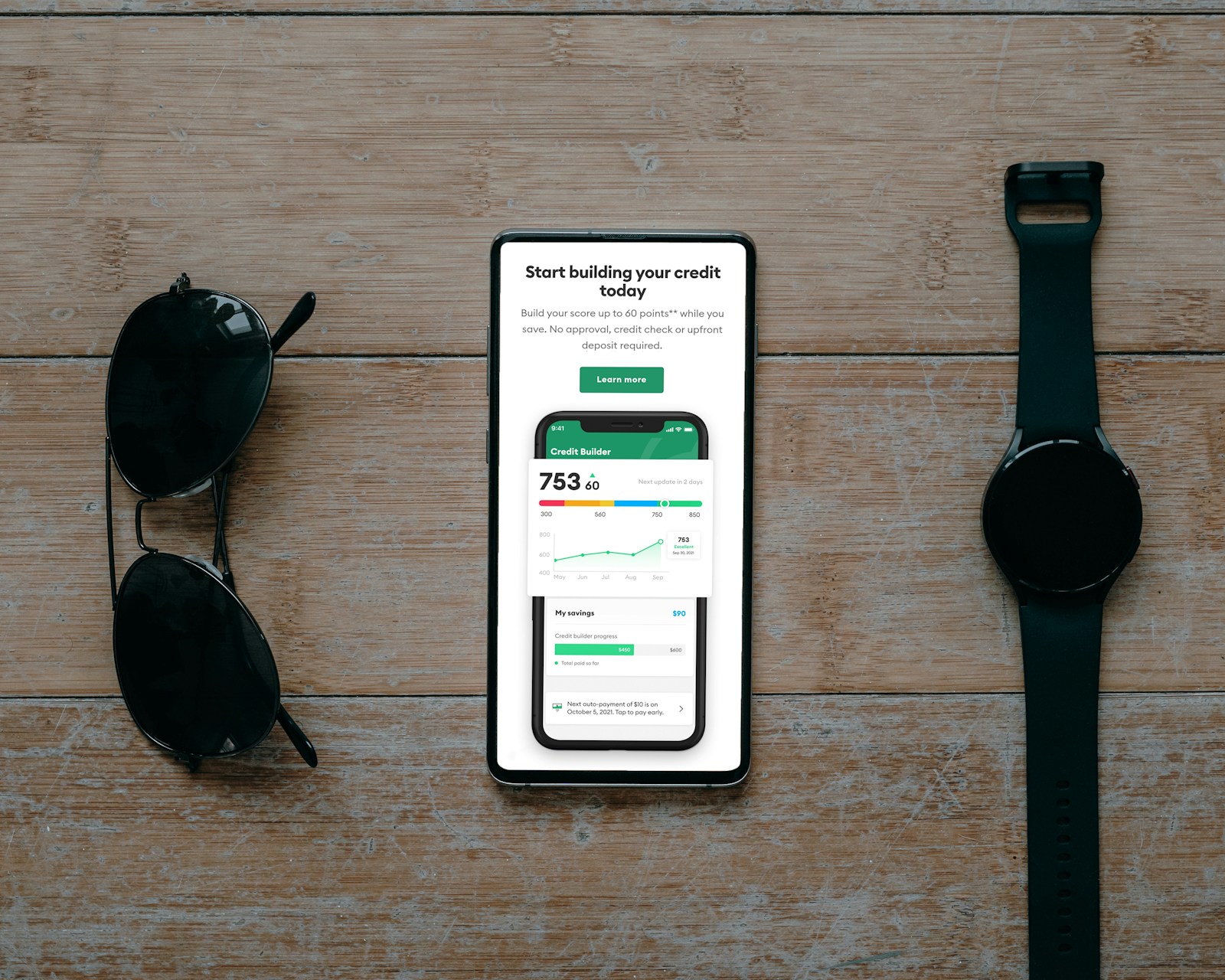
Money whispers, credit scores scream, and the gap between the two is often a single percentage point. Lenders look at two things: whether you pay on time and how much of your revolving credit you actually use. The latter, called credit utilization, can swing a 720 score down to the high‑600s in weeks. Most personal‑finance guides treat it like a footnote, even though it controls the interest rate you’ll pay on every loan. That’s why a tiny habit change can shave hundreds of dollars off a five‑year auto loan.
What does a 30% utilization actually do to your score?
When a revolving balance sits at 30% of the total credit line, most scoring models treat it as a warning sign. FICO, VantageScore, and even the newer AI‑driven engines subtract roughly 20‑30 points for every ten‑percentage‑point bump above the 10% sweet spot. The penalty accelerates after 50% utilization, where a 70% balance can erase a full 100 points in some cases. Those points translate directly into higher APRs on credit cards, personal loans, and even mortgage refinances.
A quick spreadsheet shows why the penalty matters financially. Borrowers with a 12% APR on a $10,000 personal loan over three years pay about $800 in interest. Raise the APR to 19% because utilization sits at 45%, and total interest climbs to roughly $1,300 – a $500 jump for nothing more than a higher balance‑to‑limit ratio. The math repeats for every revolving account, so the cumulative effect can push a modest loan into a costly trap.
Why do lenders chase utilization more than perfect payment history?
Because lenders feed utilization into their risk algorithms, they often offer the same borrower two wildly different rate quotes. A credit‑card user who keeps a $500 balance on a $10,000 limit may be offered a 13% variable APR, while a peer with a $4,500 balance on the same limit sees a 22% offer on the identical product. The difference isn’t a mystery; it’s a direct response to perceived over‑extension.
Even seasoned borrowers who brag about never missing a payment can find their offers inflating overnight after a holiday‑season spending spree. The credit bureaus update utilization figures every 30 days, so a sudden jump stays on the report for a full billing cycle before it can be trimmed. During that window, a new credit‑card application may be rejected, or a mortgage rate lock could slip by a few hundred dollars.
Which myths keep borrowers glued to high utilization?
Most people assume that paying the minimum each month protects their score, but the habit actually cements a high utilization pattern. Minimum payments barely chip away at the principal, so the balance‑to‑limit ratio hovers near the same level for months. Over time, the algorithm interprets the stagnant ratio as chronic reliance on credit, not a temporary cash‑flow issue.
Those who chase promotional 0% balance‑transfer offers often overlook the hidden cost that can undo any utilization win. Transfer fees range from 3% to 5% of the moved amount, and the new line’s limit may be lower than the sum of the old balances, instantly pushing utilization back above 30% on the receiving card. Additionally, the transferred amount is treated as a cash advance on many statements, attracting a higher default APR.
Which levers can you move without opening a new account?
One lever that requires no new account is a strategic credit‑limit increase request. Most issuers will raise the limit after a few months of on‑time payments, and the request typically generates a soft pull that leaves the score untouched. Even a modest $2,000 bump on a $5,000 limit can halve utilization instantly, driving the score upward without any cash outlay.
Another lever involves timing large purchases to sit on a card that reports balances before the statement closes. By paying the full amount on the same day the issuer feeds the data to the bureaus, the reported utilization stays near zero, while the consumer enjoys the cash‑back or rewards for weeks. This trick works best when the card’s reporting cycle is known in advance, which can be verified on the monthly statement header.
How to cut utilization today – costs you can actually predict
First, audit every revolving account and note the current balance and total limit. Then, calculate the aggregate utilization; if it exceeds 25%, prioritize the highest‑interest balances for rapid payoff. Paying down a $1,200 balance on a $3,000 limit costs nothing but may shave 15‑20 points off the score, which can lower a new loan’s APR by up to 1.5%.
Second, consider a low‑fee balance transfer only if the destination card’s limit exceeds the sum of the transferred balances by at least 20%. A $5,000 transfer at a 3.5% fee costs $175, but if the new APR is 0% for 15 months, the interest saved on a 19% card can exceed $600 in that period. The break‑even point usually appears after three to four months of disciplined repayment. If the issuer forces a hard pull for the limit increase, the temporary 5‑10 point dip is usually outweighed by the utilization reduction, but ask for a soft pull whenever possible.
What to double‑check before you sign any fee schedule
Before you sign any fee schedule, verify three items: the exact APR that will apply after any introductory period, any pre‑payment penalty language hidden in the fine print, and whether a balance‑transfer fee is charged as a cash‑advance surcharge. Double‑checking these details prevents a surprise rate jump that would erase the credit‑score gains you just fought for.
Keep reading
Hard inquiries can drop 30 points—soft ones never do
You’ll learn the exact way a hard pull hurts your FICO score and why most DIY guides overstate the damage. Most articles ignore lender tricks that turn a harmless look‑up into a score‑killing hit.

FICO's 5 Factors: Why Your Score Can Drop 40 Points Overnight
You’ll learn the exact weight each FICO component carries and how lenders really compute the number. Most guides hide the fact that a single hard pull can erase months of good behavior.