Fed hikes push personal loan APRs to 12‑18% in 2026
You’ll learn how the Fed’s rate moves ripple into everyday loan offers and why most how‑to guides miss the hidden fees. Most borrowers underestimate variable‑rate traps and end up paying far more than the advertised APR.
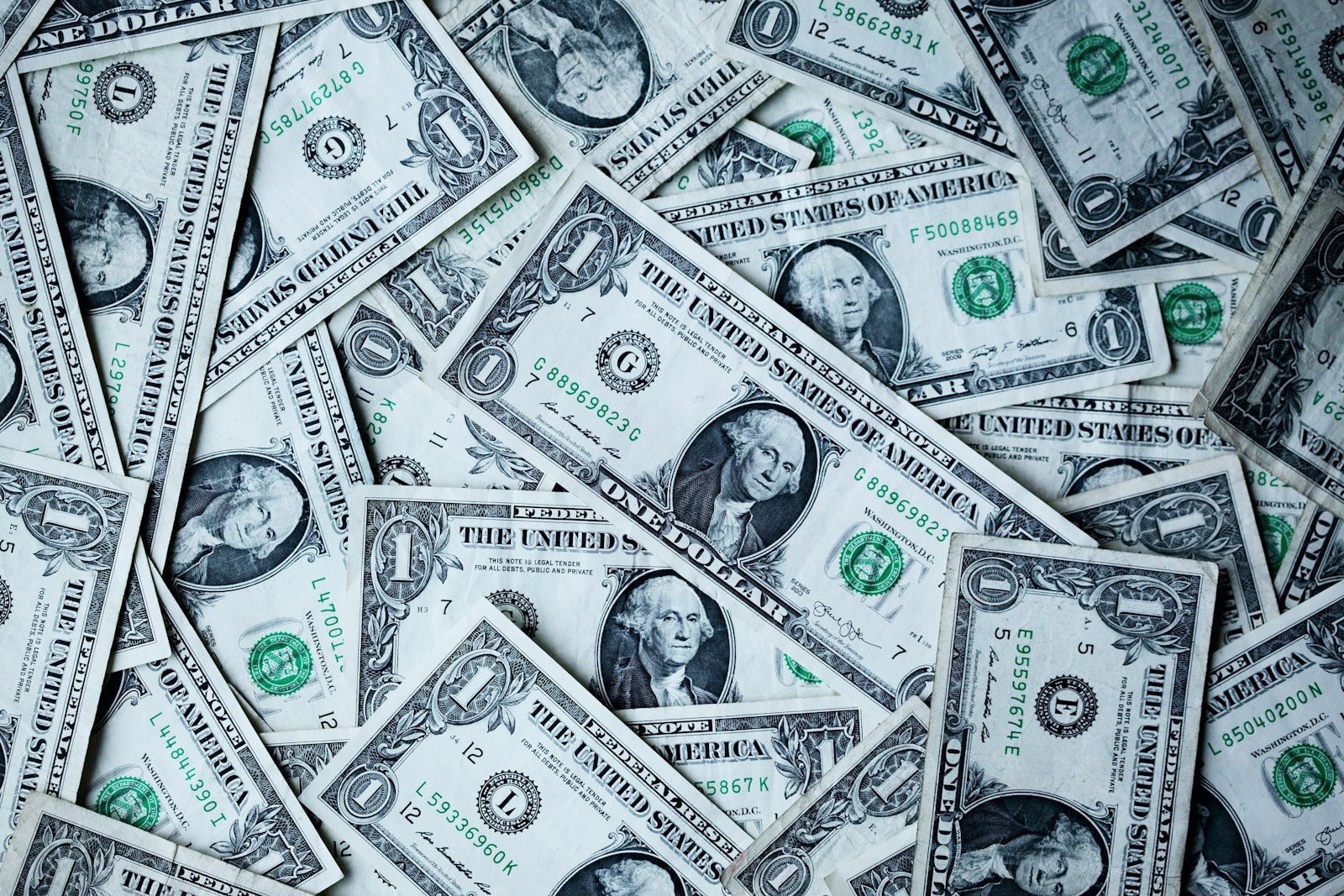
When the Fed announces a rate move, your credit‑card bill, auto loan, and any personal line feel the tremor. A single 25‑basis‑point hike can shave a few points off a bank’s profit margin, but it often adds a full percentage point to the APR you actually pay. Ignoring that shift turns a modest borrowing need into a multi‑thousand‑dollar surprise at the end of the term.
Did the Fed’s March hike really raise your APR?
The March decision lifted the target range to somewhere between 5% and 5.25%, and most lenders simply passed that increase onto borrowers. A 5‑year personal loan that advertised 10% before the hike now shows 11% to 12% in the fine print, even though the headline still reads “low fixed rate.”
Most consumers glance at the headline, miss the “variable after 24 months” clause, and get stuck with a rate that climbs in lockstep with the Fed. By the time the loan’s third year arrives, the APR can sit near the high‑end of the 12‑18% band, inflating monthly payments by roughly $30 on a $5,000 balance.
How does the Fed’s target translate to the rates you actually see?
Banks use the Fed’s rate as a floor for their own cost of funds, then add a spread that reflects credit risk, operating expenses, and profit goals. That spread typically ranges from 3 to 6 percentage points for borrowers with average credit scores.
Because each lender calibrates the spread differently, two institutions can quote the same 11% APR while one actually charges a $150 origination fee and the other waives it. The hidden fee effectively nudges the true cost upward by about half a percent, a detail that most calculators overlook.
Which lenders are hiding the real cost?
Some online lenders advertise “no hidden fees” but slip a prepayment penalty into the contract’s last page. The clause often reads “early termination fee equals 2% of the remaining balance,” which can erase any interest savings if you refinance after a year.
Look for the term “variable rate after X months” and verify whether the index is the prime rate, LIBOR, or the Fed Funds rate. When the index is tied to the Fed, a future 0.5% hike translates directly into a higher monthly payment, yet the disclosure may be buried under a paragraph titled “Rate Adjustments.”
What concrete steps keep your payment under control?
First, pull the loan’s amortization schedule for both the advertised fixed period and the projected variable period. On a $7,500 loan over 36 months at a 13% APR, the monthly payment sits around $240; if the rate climbs to 15% after two years, the final six payments jump to $260, adding roughly $120 to the total cost.
Second, shop for lenders that publish a “total cost of borrowing” figure, which bundles interest, fees, and any potential penalty into a single percentage. Those figures often sit between 14% and 16% for a mid‑range credit profile, giving you a realistic benchmark before you sign.
Finally, consider a short‑term personal line of credit instead of a fixed‑term loan if you expect rates to fall later in the year. Lines of credit typically charge interest only on the amount drawn, and many providers waive the annual fee for balances under $2,000, resulting in an effective APR that can stay under 12% even when the Fed is hiking.
What to double‑check before you sign anything
Before you click “accept,” verify the exact origination fee amount, the presence of any early‑termination clause, and the index used for future rate adjustments.
If the contract mentions a “variable rate” without specifying the reset frequency, ask the lender to provide a schedule of possible rate scenarios. A clear, written response protects you from surprise spikes that could turn a manageable loan into a financial burden.
Keep reading
BNPL fees jump 30% as regulators clamp down
You’ll learn how new rules expose hidden fees and raise APRs on point‑of‑sale financing. Most guides ignore the surcharge loopholes and prepayment penalties that still trap shoppers.
State Loan Rules Can Add ‑ to Your Business Cost
You’ll see how individual state statutes reshape APR, fees, and prepayment penalties. Most guides ignore these quirks, leaving borrowers blindsided.

CFPB busts B in loan scams: how 7 lenders hid fees and penalties
We break down the latest CFPB enforcement actions that exposed predatory practices across personal and business loans. Most consumer guides ignore the fine‑print traps that cost borrowers thousands.